Causes of Knee Pain
Common Causes of Knee Pain and When to Seek Treatment
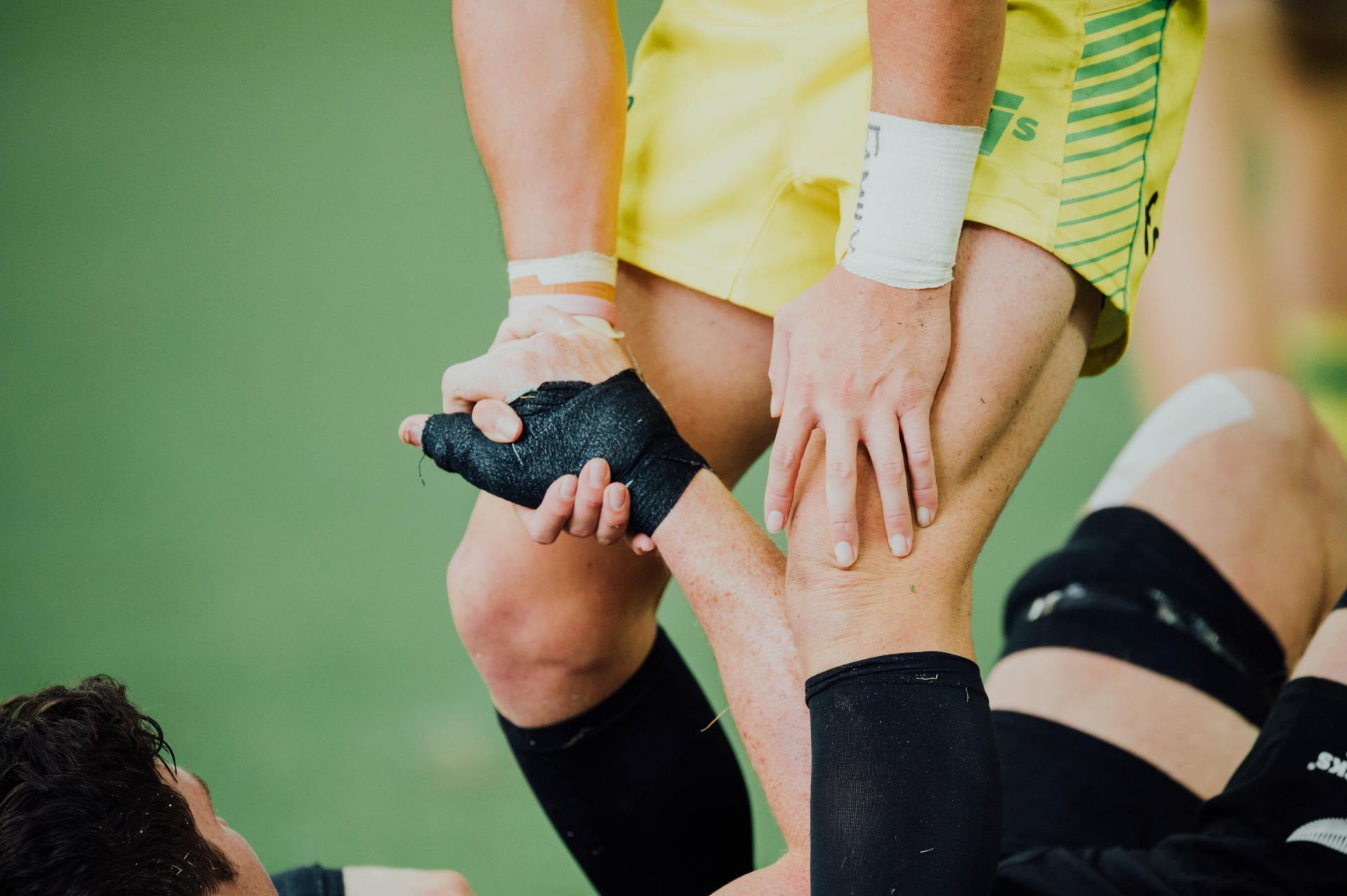
Knee injuries cause knee pain, especially for athletes.
There are four major ligaments of the knee: the anterior cruciate ligament (ACL), the posterior cruciate ligament (PCL), the medial collateral ligament (MCL), and the lateral collateral ligament (LCL). Also, the meniscus is commonly injured, resulting in knee pain. Other causes of knee pain include Osgood-Schlatter Disease and Adolescent Anterior Knee Pain.
ACL Injury
The ACL extends from the front of the tibia and inserts on the back of the femur. This structure prevents excessive posterior movement of the femur on the tibia. The ACL is often torn when an athlete changes direction rapidly, slows down from running, or lands wrong from a jump. These types of injuries are common for athletes who ski, play basketball, or play football. The pain associated with a torn ACL is rated as moderate to severe and is typically described as sharp at first, and then throbbing or achy as the knee begins to swell. Most people report increased pain with bending or straightening of the knee.
PCL injury
MCL Injury
Most injuries to the MCL are the result of a direct blow to the outside of the knee. Athletes who play soccer or football are at increased risk for this type of injury. The MCL spans the distance from the top of the tibia to the end of the femur on the inside of the knee. This structure prevents widening of the inside of the joint. A torn MCL causes swelling over the ligament, bruising, and feeling that the knee will give out or buckle.
LCL Injury
The LCL connects the end of the femur to the top of the fibula (the smaller shin bone). It is located on the outer aspect of the knee. The LCL helps to prevent unnecessary side-to-side movement of the knee joint. The LCL is usually torn from traumatic falls, motor vehicle accidents, or during sporting activities. Symptoms of a torn LCL depend on the severity of the tear and include pain, swelling, difficulty bending the knee, and instability of the joint.
Torn Meniscus
The meniscus is the rubbery, tough cartilage that sits between the femur and the tibia. This structure works as a shock absorber. Athletes are at risk for tears in this cartilage with cutting, pivoting, twisting, decelerating, or being tackled. There are two menisci of the knee and they lie between the femur and tibia, one on the inside and one on the outside of the joint. The symptoms of a meniscus tear include knee pain, swelling, popping sound within the knee, and limited motion of the joint.
Osgood-Schlatter Disease
Osgood-Schlatter disease is an overuse injury common among growing adolescents. This syndrome is caused by inflammation of the tendon below the patella. Athletes who participate in gymnastics, basketball, running, and soccer are at increased risk for this disease. The symptoms of Osgood-Schlatter disease include swelling, knee pain, and tenderness below the knee cap.
Adolescent Anterior Knee Pain
Young, active adolescents often complain of pain in the front and center region of the knee. This is called Adolescent Anterior Knee Pain, and it is not associated with any injury or damage to the knee structures. The cause of this syndrome is not clear, but experts believe that the complex anatomy of the knee joint contributes to the problem. The knee is extremely sensitive to problems of alignment and overuse. For teens, a number of factors are thought to be involved. These include poor flexibility, imbalance of the thigh muscles, problems with alignment, improper sports training techniques, improper use of equipment, and overdoing sports activities.
Symptoms of Adolescent Anterior Knee Pain include pain that begins gradually and is worse at night, popping sounds of the knee when climbing stairs or walking after prolonged sitting, pain during activities that repeatedly bend the knee, pain that causes the knee to buckle, and pain related to change in activity level or playing surface.
When to Seek Treatment
Seek medical attention immediately if you:
- Have severe knee pain
- Begin limping
- Notice swelling at the site of injury
- Hear a popping or clicking noise
- Feel that your knee is going to give out
- Cannot move your knee
- Cannot bear weight on your knee
- Have tenderness along any aspect of the knee or tibia
- Have pain with climbing stairs, walking, or running
Article Source: http://EzineArticles.com/7795552